 To acknowledge National Safe Work Month for 2020, we sat down with Barry Johnson, CEO of RISsafety, to learn what safety means to him during this important month.
1. What does Safety mean to you?
Doing all that we can to ensure that we and those around us are protected from harm, so people go home to their families after work each day. Safety is a system that includes products, practices and activities that we undertake to complete our work tasks, and the culture that we all build to protect everyone. We avoid situations where we can expose anyone to risk of harm by demanding appropriate safety measures are in place to protect everyone, always.
2. What got you involved in the Safety industry?
I became involved in the safety industry so I could make a positive difference to people’s lives, the people I work with as well as the people that use our products and services so they too go home every day. This is legacy stuff that shows we really are making a difference to people’s lives. Before working at RISsafety, I spent a few years in the scientific research and pathology industries where what we supported the advancement of treatments for diseases. I loved this and looked for other industries where I could make a similar impact.
3. Explain a memorable safety project that you have been involved in?
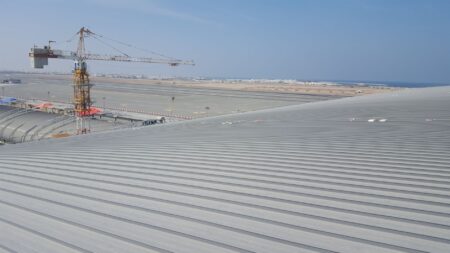
On The Roof In Oman
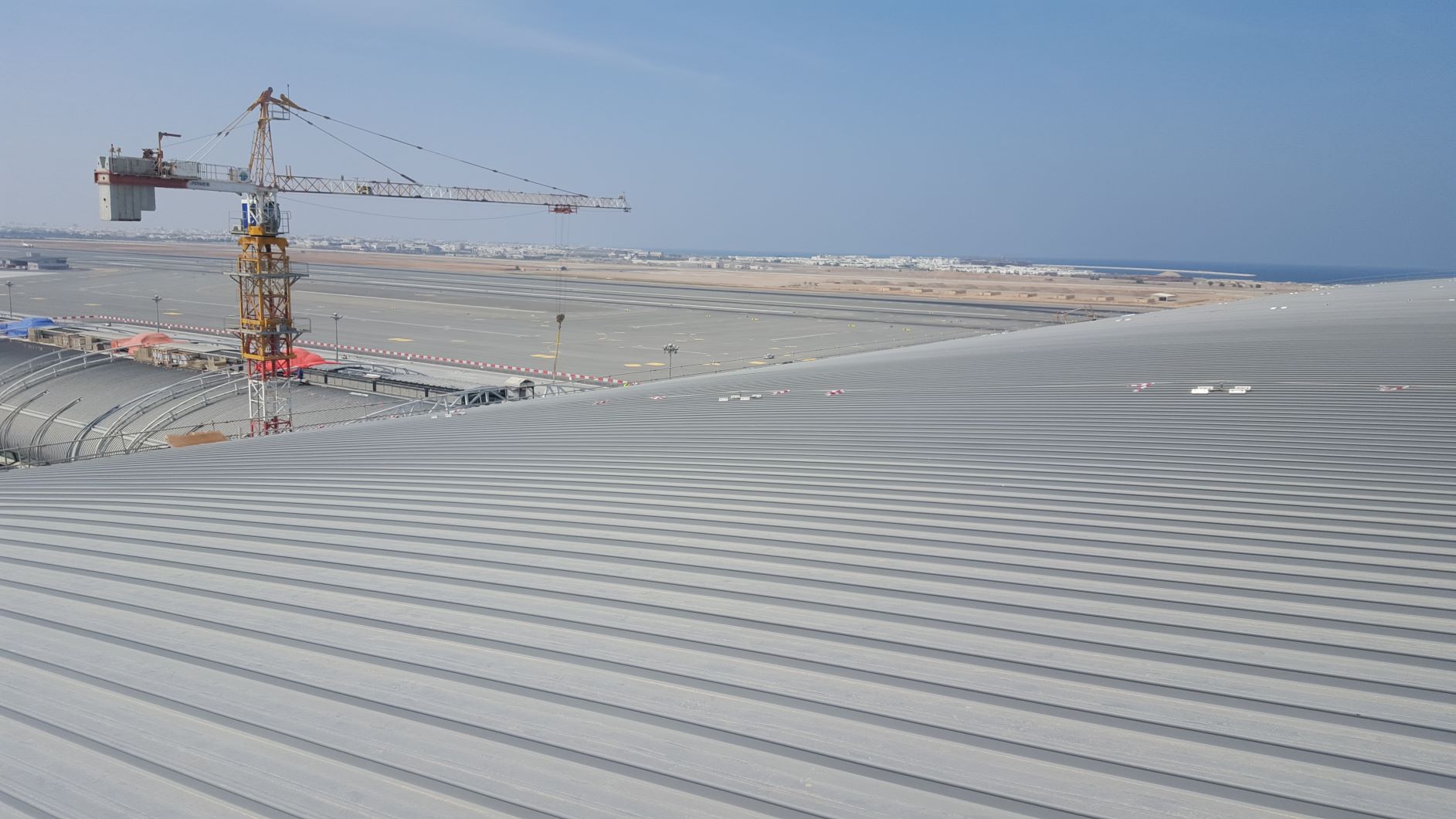
RISSafety supplied the system that was installed on the roof of the Muscat airport in Oman and included 3 ½ kms of stainless steel safetyline system. The airport is located between the Gulf of Oman and the desert. The environmental conditions are pretty harsh between the constant sand and the salt spray. The building is also impressive with lots of curved roofs. It was quite an experience being on the roof in that region.
4. What is your biggest concern when it comes to Safety?
My biggest concern is when people working at heights do not take the risks to themselves seriously. I have seen far too many workers wearing harnesses with lanyards resting on their shoulder, not attached to the structure. They seem to believe that if they have a fall, they will have enough time to attach the lanyard to prevent their fall, which they never will. Having the right equipment and being trained to use it is only one part of keeping yourself safe. The correct and diligent use of the equipment is sometimes not taken seriously enough and people put themselves and their colleagues at risk. Safety is everyone’s responsibility and we must protect ourselves and our colleagues.
5. What’s one of the most impactful changes that a company can make to help improve their Safety?
The Directors and Managers in organisations need to make safety everyone’s responsibility and embed safety into the culture and DNA of the organisation. Talk about safety and protecting people, review all aspects of hazards that can impact safety, do not accept any compromise about safety, and celebrate it when people call out unsafe situations or practices.
6. What is your No.1 piece of advice when it comes to Height Safety?
If a situation is not safe, then make it safe. If you cannot make it safe, then don’t do the work that will put yourself or others at risk.
7. And finally, we hear you’ve eaten some pretty unusual things. Can you name a few examples?
I don’t think anything I have eaten is unusual – this is a label attached by others. I believe that eating together is a fantastic way to connect with other people and I enjoy connecting with people from all around the world, and to do that I eat with the locals. Here are examples of what some people in Australia may consider unusual that I have eaten: BBQ pigeon, snake, live prawns, live abalone, tarantula, river beetles, grass hoppers, grubs and other insects, seas creatures I have never seen elsewhere and I don’t even know the names, and “meat” pies.
If you have any safety questions or requirements during National Safe Work Month, or beyond, please get in touch with us.