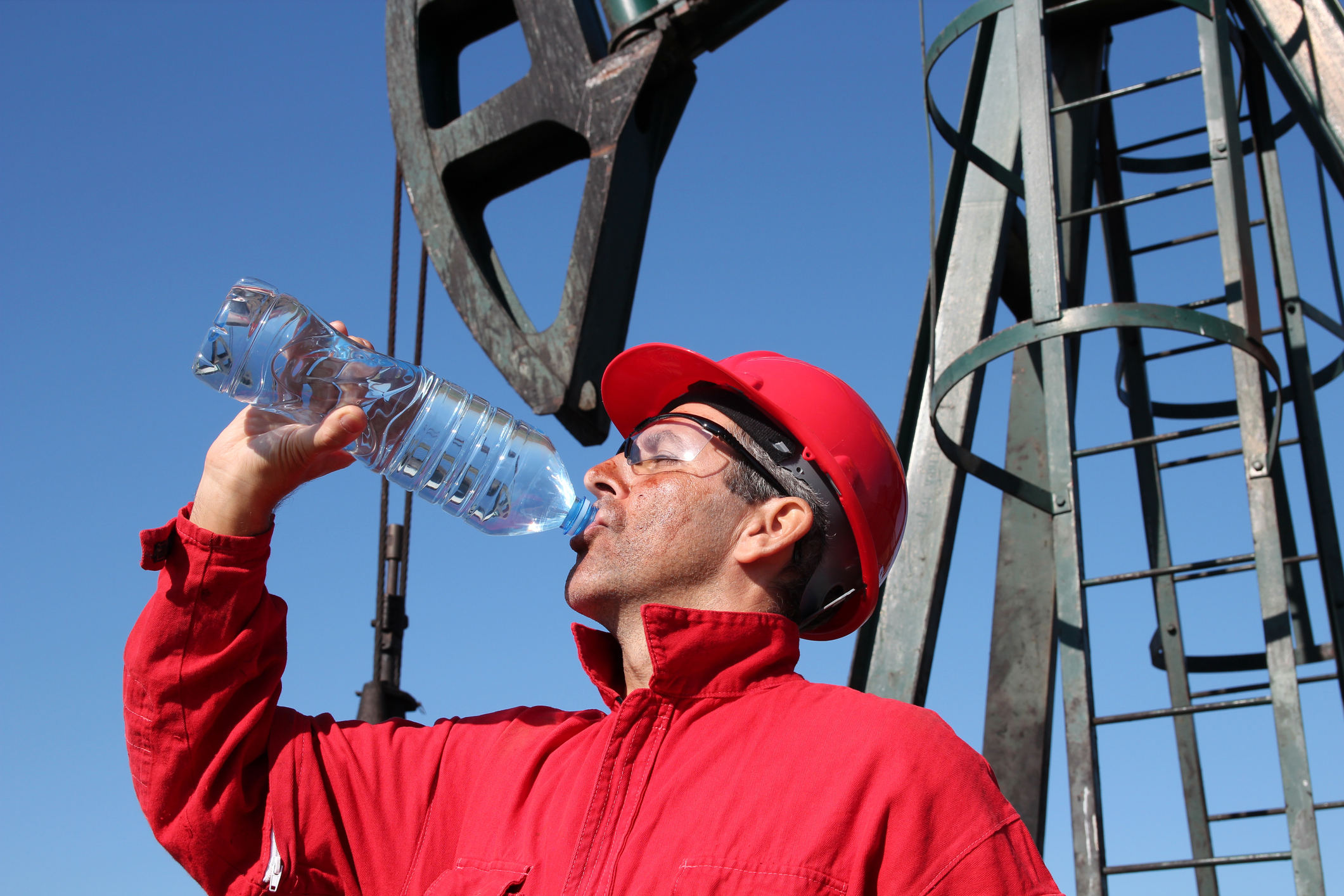
Australia has one of the most extreme summer climates on the planet, and with almost a quarter of our national workforce operating outdoors, it’s important to prepare for warmer weather to assure the comfort and safety of you and your team.
If you haven’t yet implemented a safety plan to prepare for summer, or aren’t sure where to start, here are some tips to help you get prepared for hot working days.
Make safety easy
Prioritise safe work habits by making them easy for your team to implement. For outdoor work, this means making sure all workers have adequate sun protection including SPF sunscreen and breathable clothing that shields from harsh UV rays. Encourage your team to drink less caffeine, which can dehydrate, and schedule in water breaks every 15 to 30 minutes, or as appropriate to remain hydrated. Also ensure that there is a sheltered area on site where workers can rest and take a proper break out of direct sun. You may also want to keep cold towels and/or cooling vests or misters handy.
Shift the working day with an ‘indoor plan’
The working day is most likely going to look different in the hotter months, with work happening in morning and late afternoon shifts out of the hottest parts of the day. Most workplaces have a heat safety plan (see below) in place that stipulates the temperature limit to stop outdoor work (around 35 to 45 degrees in various regions across Australia) – in the height of an Australian summer, those days can be frequent. It’s a good idea to plan ahead with a list of tasks that can be completed in the office, whether it’s updating clients on work, arranging materials from suppliers, or getting ahead on admin. And if there are jobs that can be worked on under cover, make it happen to minimise UV exposure.
Know the warning signs
Your staff should be up-to-date on your workplace procedures to handle a heat-related injury on the job, and are aware of the warning signs of dehydration or heat exposure, which include:
- Heavy sweating
- Dizziness/faint
- Rapid pulse
- Nausea
- Headaches
- Flushed
- Heavy breathing
Awareness, combined with adequate shelter, sun protection and regular breaks can greatly minimise the risk of severe, heat-related incidents at work.
Update your risk management procedures and train your team accordingly
Extreme heat is counted as a workplace hazard, and as such should be incorporated into your workplace safety plan. As there isn’t actually a minimum or maximum prescribed temperature for work in Australia, a risk management approach is required to set the conditions for your workplace. Steps can include:
- Identifying risks. How much sun exposure does your team typically experience in a day? Do any work processes and tasks make the surroundings hotter? Are there surfaces that typically radiate more heat that the team can avoid working on?
- Assessing the risks. How severe are each of the identified risks?
- Mitigating the risks. Are any existing measures to eliminate or at least minimise risks effective? What, if anything, can be done to improve them?
- Determining what steps are in place to control remaining risks. How urgently do they need to be acted upon?
Lead by example
Sometimes the best and easiest ways to implement best practices is to incorporate them into your own day-to-day work routine. Take regular breaks from the heat, and encourage your team to do the same. Work under shelter wherever possible, and foster a workplace culture of wellbeing over work. Also make sure your team feels comfortable to approach you if they are concerned about their working environment and that you have open, collaborative conversations to identify ways to improve, to ensure safe and enjoyable working conditions for all.


