When it comes to protecting workers from rooftop falls, there are two options for fall restraint systems: anchor points and horizontal lifeline systems. While both are critical components of fall arrest systems, each have different features and uses. Understanding the factors that influence their selection is crucial for ensuring worker safety and compliance with Australian regulations.
In 2020, falls from height caused 11% of all worker fatalities in Australia, and another 9% of worker deaths were due to being struck by falling objects.
As a Bronze Member of the Working at Height Association of Australia (WAHA), RISSafety takes working at heights seriously.
Here we take a look at the difference between anchors and horizontal lifeline systems to help you choose the best solution for your project.
What are anchor points?
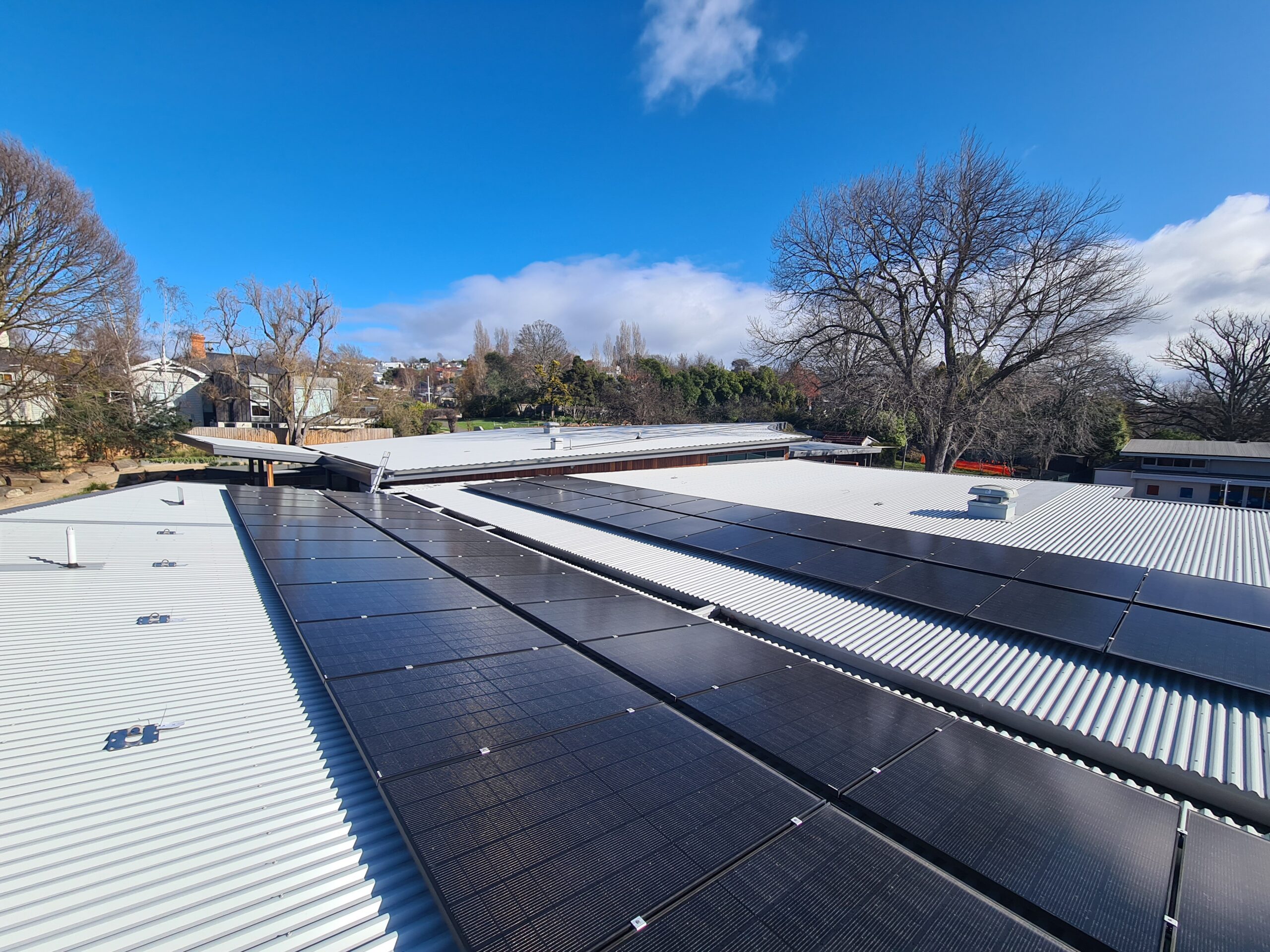
Anchor points are permanent attachments installed on roofs or other elevated structures to which workers secure their personal fall protection equipment such harnesses, lanyards, ropes, etc.
Most anchor points are designed to support one worker at a time, and workers are restricted to a specific radius around the anchor point, determined by the length of their lanyard.
Anchor points are favoured as they are relatively straightforward to install and use, cost-effective for small areas, and versatile as they can be used for both fall arrest and work positioning systems when installed for both work types.
RISSafety designs and manufactures a range of anchors that are suitable for installing on all types of tile and metal cladding profiles. The range is constructed of marine-grade stainless steel and designed to ensure no deformation under normal use. The anchor points have in-built load absorption capabilities to minimise impact to a structure in the event of a person experiencing a fall, and can be used in fall arrest or fall restraint applications.
RISSafety’s range of anchor points have been independently tested by an accredited external third party on all common roof structures and profiles and meet or exceed the requirements of Australian Standards AS/NZS 1891.4:2000, AS/NZS 5532:2013, and AN/NZS 4488:1997.
What are horizontal lifeline systems?
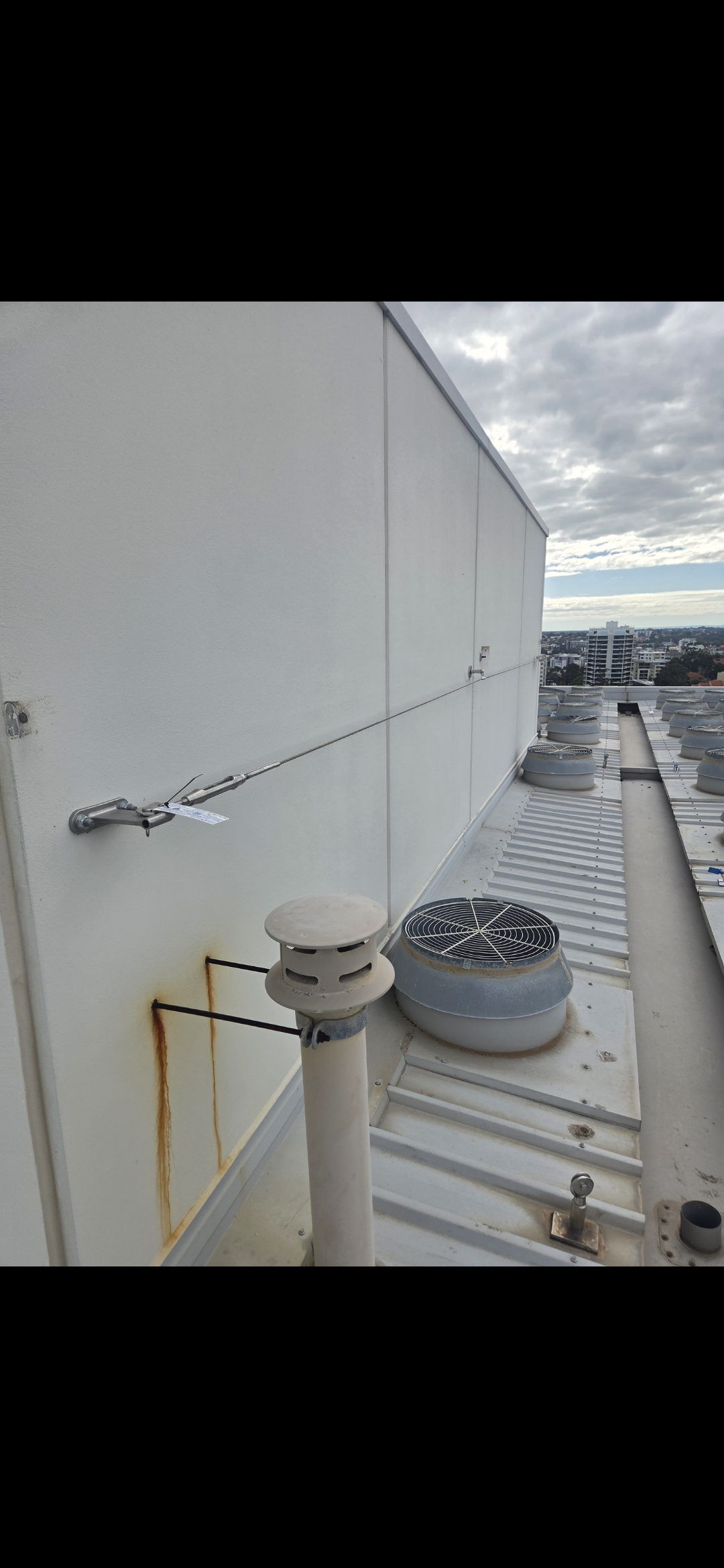
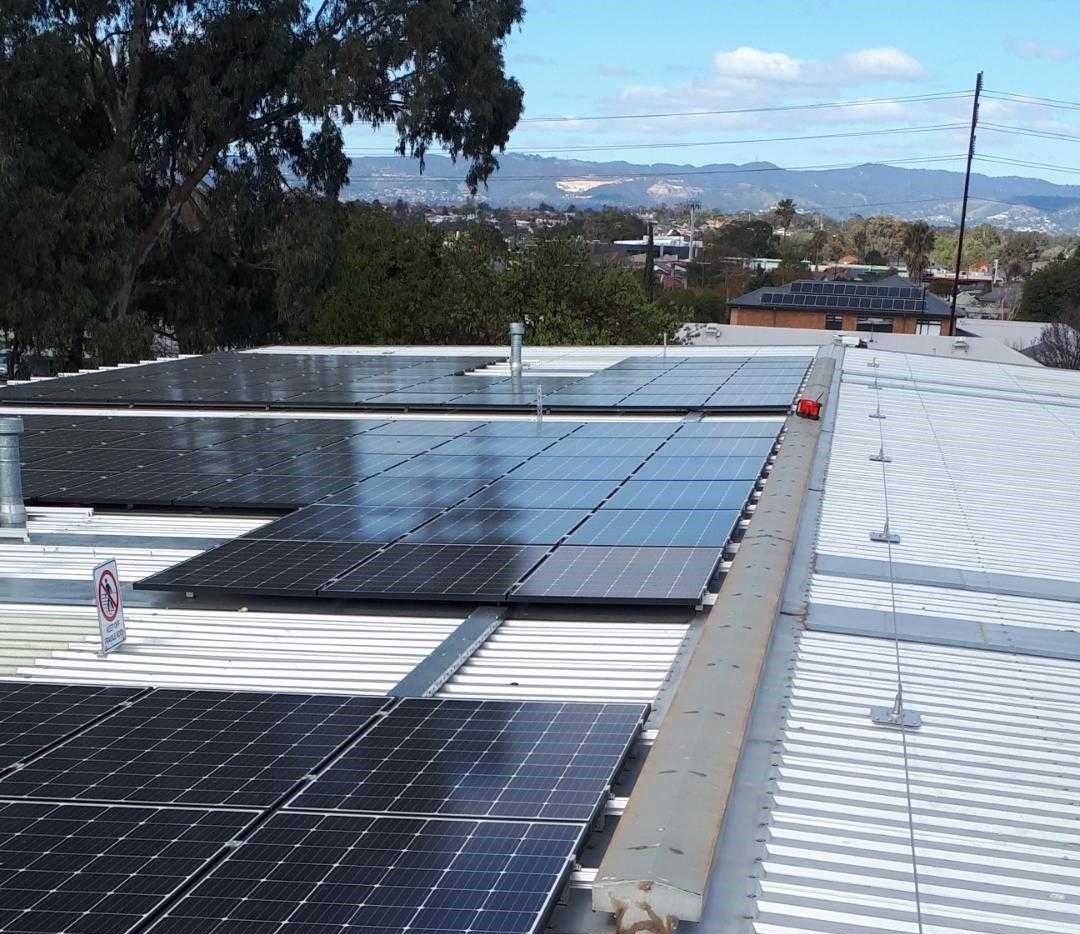
Horizontal lifeline systems, also known as horizontal static lines, consist of a flexible steel cable line anchored between two or more points. Designed to provide the maximum level of safety while providing unrestricted movement while completing tasks at heights, they allow workers to move along the line while remaining attached.
This system can be customisable to follow roof contours and to cover large areas, and allows for increased mobility and multi-user capability. It is also favoured for its versatility – horizontal lifeline systems can be used for restraint applications. Horizontal lifeline systems require professional design and installation to ensure proper load distribution and performance.
RISSafety manufactures a range of bespoke roof safety systems including horizontal lifeline systems. The horizontal static lines are manufactured from the highest quality stainless steel, and can be fixed to any structure capable of supporting the required load of a fall prevention system. They are suitable for installation on metal roofing profiles, concrete, timber and steel sub-structures.
All RISSafety horizontal lifeline systems are tested by an accredited external third party on all common roof structures and profiles, and meet or exceed the requirements of Australian Standards AS/NZS 1891.2:2001.
Which fall arrest system is best for the job?
Several factors should be considered when choosing between anchor points and horizontal lifeline systems, including:
- Work area size and layout: Anchor points are suitable for small, confined areas or when work is concentrated in specific locations. Horizontal lifelines are ideal for larger roof areas or when workers need to move extensively.
- Number of workers: If multiple workers need protection simultaneously, a horizontal lifeline system is often more efficient. For single worker protection or infrequent access, anchor points may be the better option.
- Frequency and duration of roof access: For regular, long-term access, a horizontal lifeline system provides greater convenience and efficiency. Anchor points may be suitable for occasional, short-duration work.
- Roof structure and material: The roof’s structural integrity and material composition influence the feasibility and method of installation for both systems. Some roofs may require additional reinforcement to support fall protection systems.
- Budget considerations: Initial costs for anchor points are generally lower, but multiple points may be needed for comprehensive coverage. Horizontal lifeline systems have higher upfront costs, but can be more cost-effective for protecting larger areas or multiple workers.
- Aesthetic impact: Anchor points are less visually intrusive but may require more numerous installations, while horizontal lifelines can provide a cleaner appearance, especially on large roof areas.
- Maintenance requirements: Both systems require regular inspection and maintenance, but horizontal lifelines may have more complex maintenance needs due to their engineered nature.
- Fall clearance: Available fall clearance below the work area can influence the choice between systems, as horizontal lifelines typically require more clearance due to cable deflection during a fall.
Australian regulations and legislation
Complying with Australian regulations underpins all decisions regarding a fall arrest system, and it is important to consult the relevant standards and regulations and engage qualified professionals for system design, installation, and certification.
Key legislative requirements include:
- AS/NZS 1891 series
- State- or territory-specific regulations – some may have additional requirements.
Choosing between anchor points and horizontal lifeline systems requires consideration of the work environment, tasks to be performed and regulatory requirements. While anchor points offer simplicity and cost-effectiveness for limited areas, horizontal lifeline systems provide greater flexibility and efficiency for larger spaces and multiple users.
As Australia’s premier height safety provider we can help you choose the best fall arrest solution for your needs. Contact us for more details.