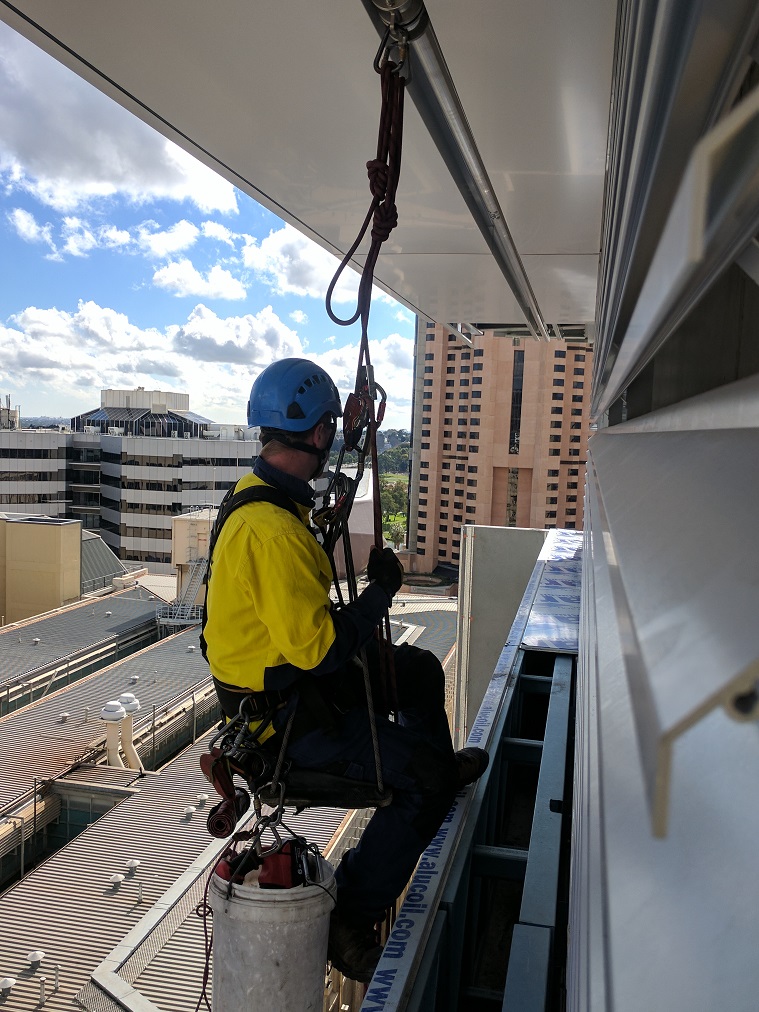
Workplace safety regulations and standards exist to protect workers and site managers alike. As workplaces change, safety protocols must as well. With falls being a main source of serious injuries in the workplace, it’s vital to have fall protection equipment and procedures in place to minimise and eliminate risk wherever possible.
Here’s your complete guide to fall protection, including how to put together a protection and prevention plan, to ensure you always stay one step ahead.
The 5 principles of fall protection
To effectively mitigate and eliminate fall risk in the workplace, it’s important to consider five factors of fall protection:
- Fall arrest – You may think a fall restraint is the same thing, but a fall arrest system allows a short fall to occur, with harnesses, gantries and anchor points in place to stop free-fall to the ground.
- Work positioning – this is a system that holds the user on a work site and limits any fall to 600mm.
- Restraints: wearable gear that prevent the user from falling when working from heights
- Suspension: supports the user while being transported up and down an elevated work site
- : A system designed to raise or lower a user to safety
Creating
Working at heights is very high-risk, so compliance standards dictate that each workplace has a fall protection and rescue plan in place. Having a fall protection plan also ensures efficient procedures in the case of an emergency, addresses your legal obligations as an employer, and keeps your team safe in the workplace.
A fall protection plan outlines the procedures to assemble, use and maintain height safety equipment such as gantries, ladder systems, and PPE equipment. An effective fall protection plan must be tailored to your workplace and include the following:
- General overview about the job site including location and the team including the person conducting a business or undertaking (PCBU)
- Outline of all identified on-site hazards
- Descriptions of all height-safety equipment on site, including the assembling and ongoing maintenance for each. Your equipment should always meet Australian or NZ standards and your team should be well informed of how to assemble, use, and maintain height safety equipment to ensure your worksite stays compliant.
- Rescue procedures in the event of a fall, including details of who to contact and what to do to immediately address the situation
- Plan and records of employee training and skills/qualifications certification.
Final notes
Fall protection plans must be specific to each site where teams are working at heights. There is no ‘one size fits all’ approach to fall protection plans as the list of hazards and equipment used will vary from site to site. It’s very important to regularly review the plan and ensure your employees are up to speed on any changes and all safety procedures, to ensure compliance with national standards. If you need help identifying obstacles or reviewing your fall protection plan, our team is happy to help.


