fbpx

20% off Storewide Shop Now 

September 26, 2019

Worksafe NZ Releases New Guidelines For Working At Heights

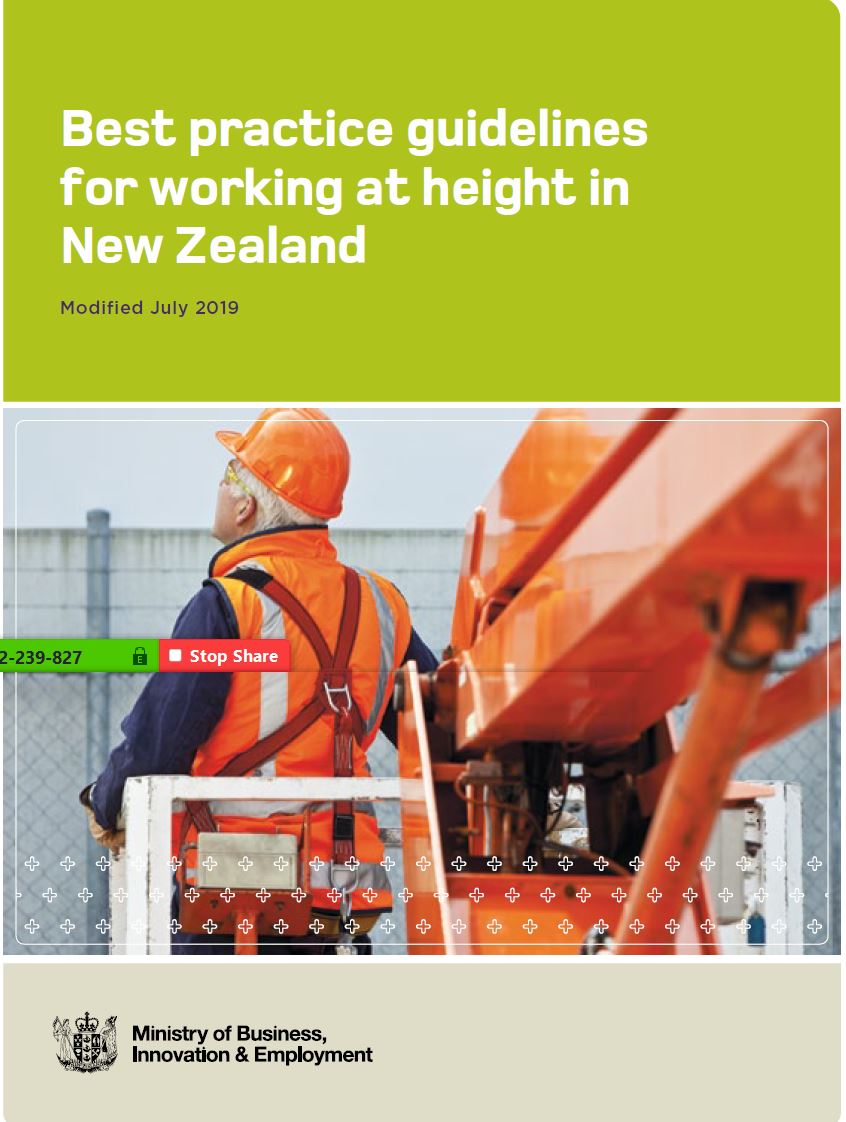
Best practice guidelines for working at height in New Zealand, featuring construction worker and safety equipment.

Worksafe New Zealand has just updated and released their Best Practice Guidelines for Working at Height in New Zealand.  It aims to provide practical guidance to employers, contractors, employees and anyone associated working at heights.

Preventing falls from heights and ensuring people are not harmed is a major priority for RISsafety.  Factors contributing to injuries from working at heights include:

  • lack of or inadequate planning and hazard assessment
  • inadequate supervision
  • lack of training
  • insufficient protection
  • incorrect equipment setup or equipment not being available

To read more and download the latest NZ guidelines follow this link.


More news

Project
September 16, 2026

Replacing a Non-Compliant Horizontal Lifeline System – Panorama Apartments, Perth

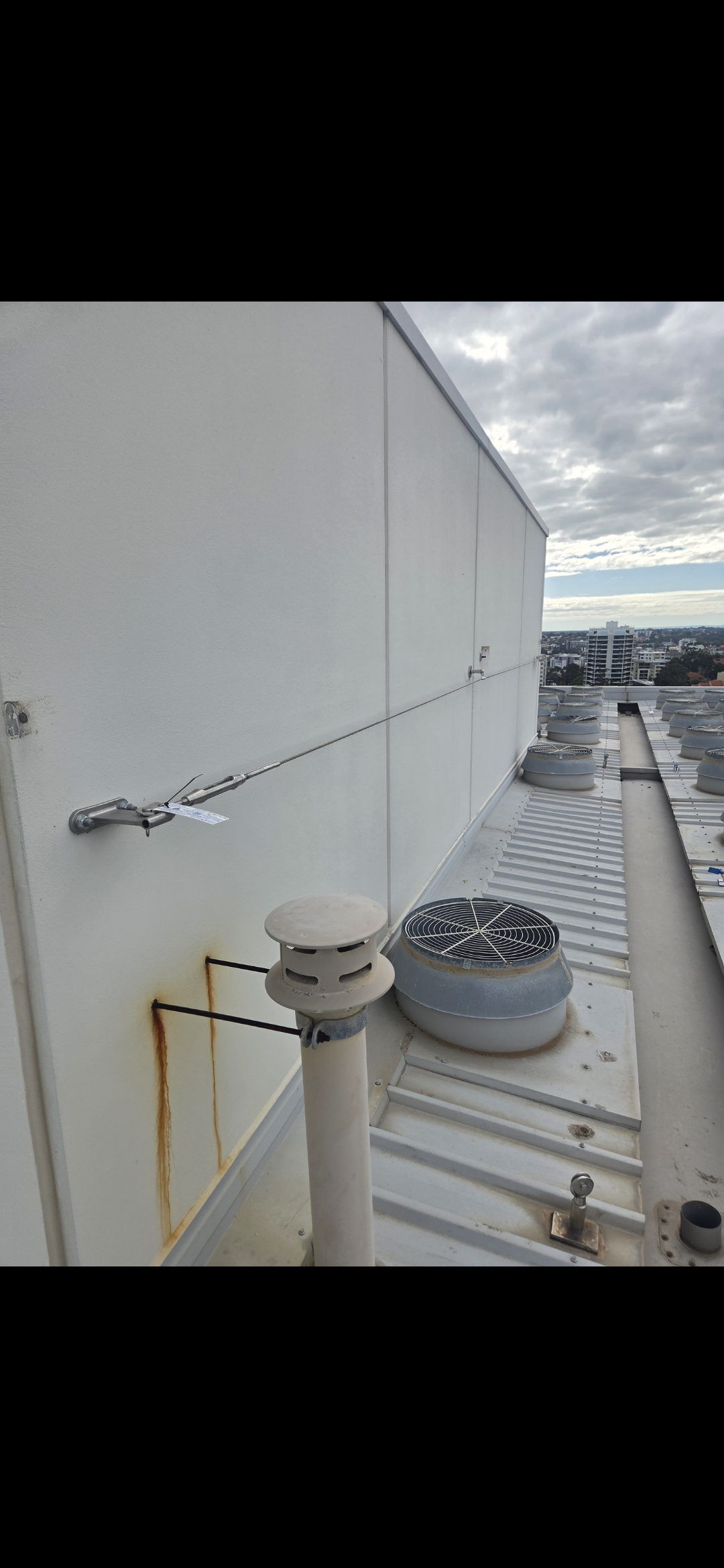
Project Overview When a horizontal lifeline system at Panorama Apartments in Perth CBD was found non-compliant, ESM Strata engaged RISSafety to decommission it and install a compliant replacement. Two existing wall-mounted lifelines had been identified as non-compliant, which meant contractors and abseil technicians had no certified system to work from… Read More

Project
September 9, 2026

Height Safety Inspection and Recertification at Scotch Oakburn College, Elphin Campus

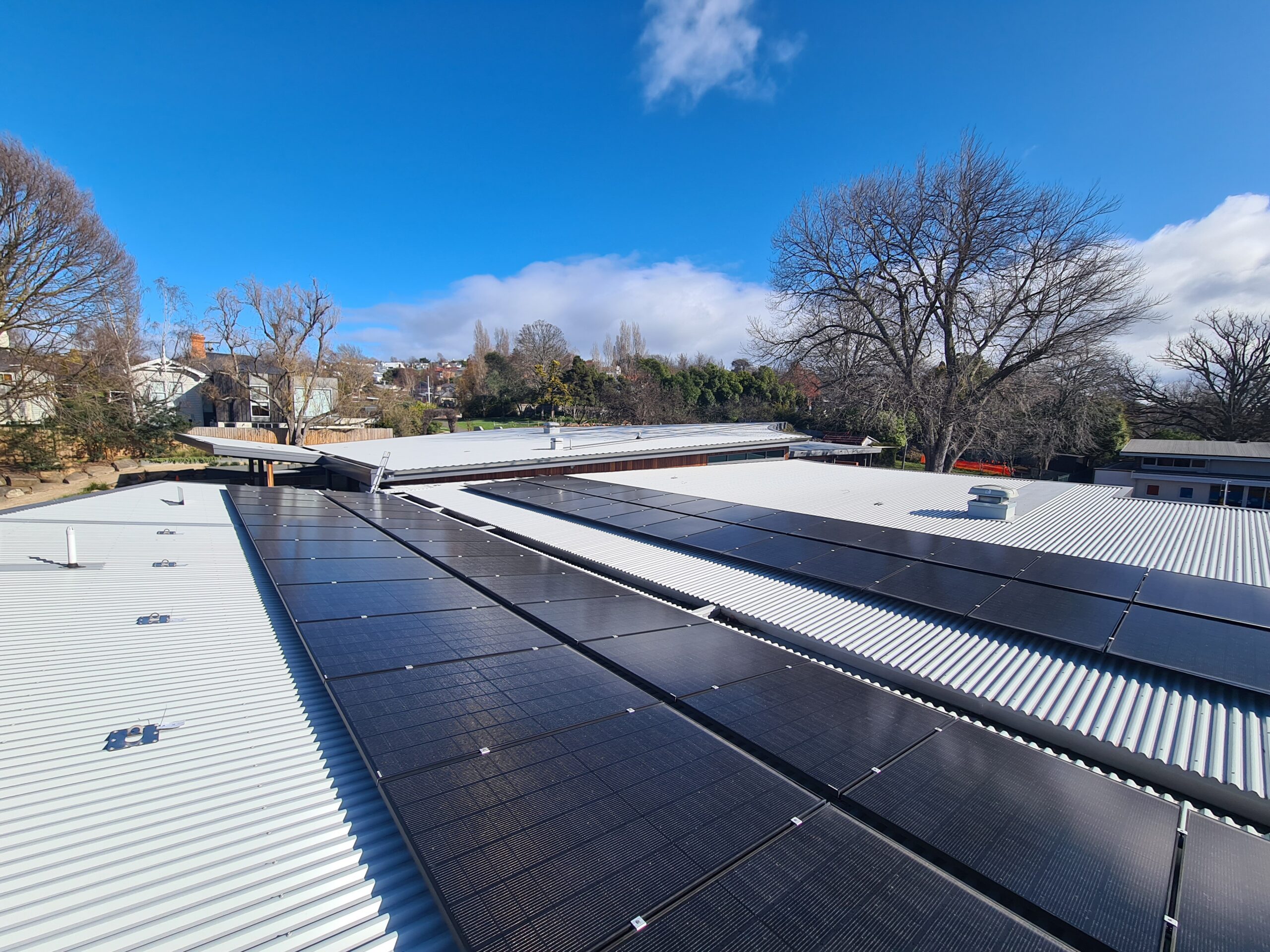
Project Overview  RISSafety returned to Scotch Oakburn College’s Elphin Campus in Newstead, Tasmania, to complete the first scheduled 12-month height safety inspection of a rooftop system we previously designed and installed.  The inspection focused on reviewing the condition of all installed height safety components, confirming the system remains compliant and completing the recertification documentation… Read More

News
June 16, 2026

What Near Misses Can Reveal About Your Height Safety Culture

A worker connects a static line to an anchor point that hasn’t been inspected in over a year. A roofer steps around a guardrail rather than through the designated access point because it’s faster. A roof maintenance technician… Read More