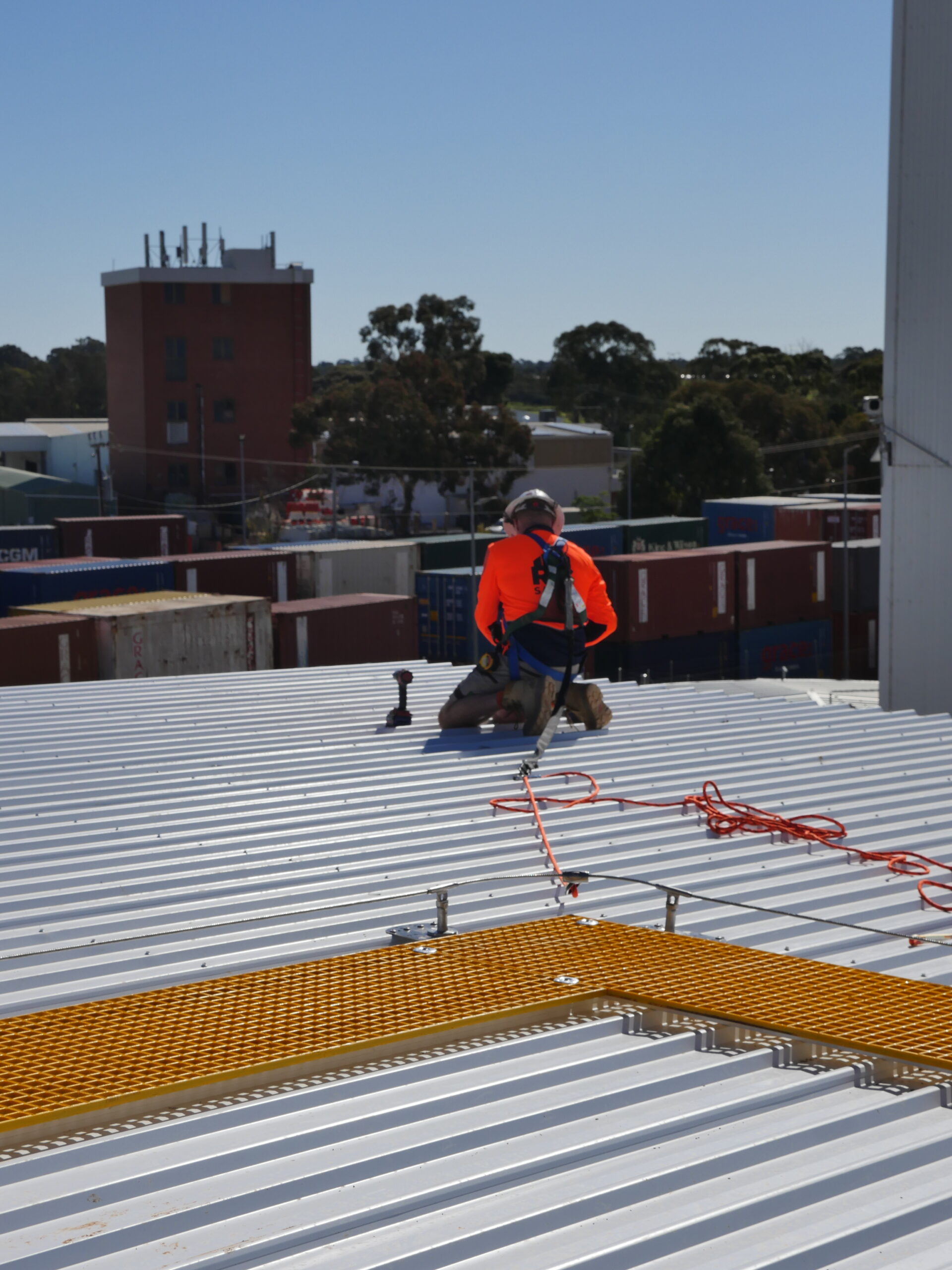
Updated height safety systems protect employees and end users while ensuring compliance with the Australian regulatory environment.
The importance of thorough height safety system documentation is vital. Persons conducting a business or undertaking (PCBU’s) are required to maintain complete and accurate records and compliance reports to provide crucial evidence in the event of workplace incidents, ensuring that all safety measures are properly documented and accessible for review and improvement.
We have compiled an overview of height safety system documentation and regulations to ensure your organisation is compliant with Australian laws and regulations.
What height safety documents does my businesses need?
The types of documentation typically required include:
- risk assessment safe work method statements (SWMS) for high-risk construction work
- training records
- emergency and rescue plans
- maintenance and inspection logs for height safety equipment.
These documents not only ensure compliance with safety regulations, but also play a crucial role in minimising risk and enhancing the overall safety culture within your organisation.
View RISSafety’s standards of testing requirements for height safety equipment for further information.
Taking responsibility for height safety
Safe Work Australia says everyone in the workplace has Work Health and Safety (WHS) responsibilities under the Work Health & Safety Act.
There are specific duties for the following roles:
- a person conducting a business or undertaking (PCBU)
- a designer, manufacturer, importer, supplier and installer of plant, substances or structures
- an officer.
A PCBU must eliminate the risk of falls in the workplace, or if that is not reasonably practicable, minimise those risks so far as is reasonably practicable.
A PCBU has more specific obligations to manage the risk of a fall by a person from one level to another, including requirements to:
- ensure, so far as is reasonably practicable, that any work involving the risk of a fall by a person from one level to another is carried out on the ground or on a solid construction
- provide safe means of access to and exit from the workplace and an area from which a person could fall, such as a platform or scaffolding, and
- if it is not reasonably practicable to eliminate the risk of a fall, minimise the risk of falls so far as is reasonably practicable by providing adequate protection against the risk, including by providing a fall prevention device if it reasonably practicable to do so, or if not, a work positioning system if it is reasonably practicable to do so, or if not, a fall arrest system.
What happens if I don’t hold adequate height safety documentation?
Employers are a PCBU and are therefore required to maintain detailed records of safety measures, risk assessments, and training provided to employees and contractors working at heights. Lacking appropriate documentation can lead to non-compliance with workplace safety regulations and fines, legal penalties and criminal charges in the event of an accident.
Fines and penalties for working at heights non-compliance vary significantly depending on the severity of the breach, the state or territory in which the incident occurred, and whether the breach resulted in injury, death, or had the potential to do so. They include:
- For individuals, a Category 1 Offence (Reckless Endangerment): For the most serious breaches, where an individual’s actions or omissions expose a person to a risk of death or serious injury, fines can be up to $600,000 and/or 5 years imprisonment
- For companies, a Category 1 Offence: Fines can exceed $3 million for the most severe breaches involving recklessness.
Best practices for height safety documentation
Make your systems visible
It isn’t enough to have your documentation stashed away in a drawer. The WHS Act states that employers are required to ensure that safety documentation is readily accessible to all workers involved in tasks that have a risk of falls or require working at heights. This means ensuring documents are available and can be reviewed by any employee or inspector on request.
Keep checking that you’re meeting your obligations
We have put together a checklist for facility managers to ensure compliance for anchor point and lifelines. Download our Facility Managers Height Safety and Access System Compliance Checklist to ensure you are meeting your obligations.
As Australia’s leading national height safety provider, we are dedicated to compliance with industry standards and regulations. Don’t compromise when it comes to safety. Call us to discuss your requirements and safeguard your business against the risks associated with working at heights.


