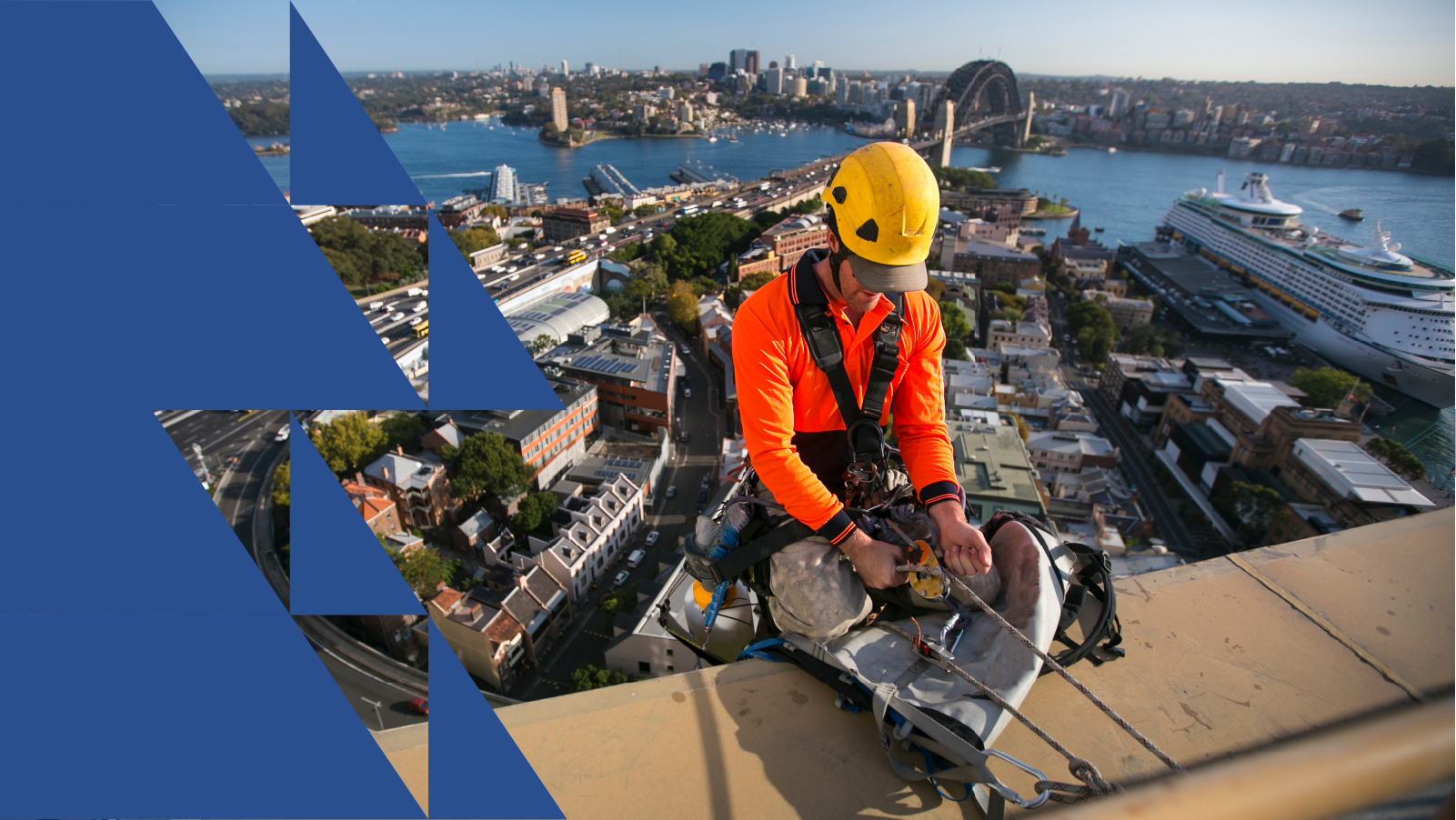
Looking back on 2025 via Safe Work Australia’s Annual Key Work Health and Safety Statistics report, it’s evident that height-related workplace injuries and fatalities remain a critical safety challenge.
The report offers a snapshot of how effectively our systems protected Australian workers in the previous year. The newly released 2025 WHS datagives us plenty to think about, especially when it comes to working at heights.
According to the latest report, falls from heights remains the second-leading cause of workplace fatalities in Australia at 13%, or 24 fatalities. While that’s a statistical improvement of 2% on 2024, the fact remains that behind every fatality is a system that didn’t successfully prevent a death. There is still critical ongoing work to be done.
Turning statistics intosystemic change
Shockingly, the data from Safe Work Australia’s latest Key WHS Statistics report reveals that these incidents are now 30% higher than the five-year average, a figure that’s impossible for any PCBU, facility manager, or safety lead to ignore.
The fact that sectors like construction, manufacturing, and warehousing remain high-risk suggests that systemic gaps are still present in how height safety is assessed, managed and controlled.
These figures and aren’t just numbers, they’re a call to act. Here’s how to make 2026 a safer year.
Prioritise design controls over administrative fixes
The WHS hierarchy of controlexists for a reason. PCBUs, facility managers and safety leads need to identify ways to ‘design out’ fall risks wherever possible. These measures work to ensure workplaces are deliberately safe as opposed to ‘less risky’. Some solutions include:
- Fixed access systems that eliminate the need for temporary ladders
- Permanent roof access such as safety linesor anchor point systems
- Guardrails and walkwayson all frequently accessed areas
- Engineered restraint systems that prevent rather than arrest a fall.
Audit and recertify existing height safety systems
One of the quiet contributors to fall-related incidents is system degradation. Weather corrosion, system usage,product wear and tear and even changing Australian Standards means that a system installed may no longer be compliant.
We recommend undertaking an regular inspection and recertificationat a minimum. Partnering with one height safety specialist ongoing alsoallows for more accurate tracking and documentation to ensure your site stays compliant. Our technicians utilise a comprehensive digital solution, which means they have real-time access to all necessary documentation, at-a-glance history of the assets on your site and can help you stay up to date with your inspections and recertification schedule.
Elevate worker knowledge and competency beyond licence requirements
It’s one thing for your workers to hold necessary qualificationsto work at heights. The fact is, falls happen to trained workers. It is the responsibility of PCBUs, facility managers and safety leads to ensure their workers have the required level of competence to complete the tasksthrough regular appropriate training.
We offer a range of training through our team at Sydney Safety Trainingto help your team stay up-to-date on processes and procedures, and remain aware of the risks of working from heights. Promoting a safety-first workplace culture means your employers and contractors are more alert at identifying hazards and taking necessary steps to mitigate risks.
Bring safety specialists into the process as early as possible
While we do work on custom height safety systems for existing buildings, it is far better to have safety systems integrated into a building designas early in the process as possible. Engaging with a team like ours during the design and planning stage means you can eliminate workplace access hazards efficiently, saving you time and money and, importantly, lives, down the track.
As a systems designer and installer our team of height safety specialists offer educated, tried-and-tested advice for your site’s needs. And because we are a part of the end-to-end design and installation process, we will ensure a consistently high standard of delivery that protects the safety of your workers and complies with Australian Standards.
The 2025 WHS data is a reminder that height-related risks aren’t abstract statistics, they’re preventable incidents that demand better systems, smarter design and more consistent checks.
By designing out risks early, maintaining the integrity of existing systems, investing in worker competency and engaging specialists from the outset, PCBUs and facility managers can dramatically reduce the likelihood of falls – and the human and organisational cost that follows.
Ready to partner with height safety specialists to strengthen your systems, lift your compliance confidence and protect the people who keep your operations moving? Get in touch withour team today.


