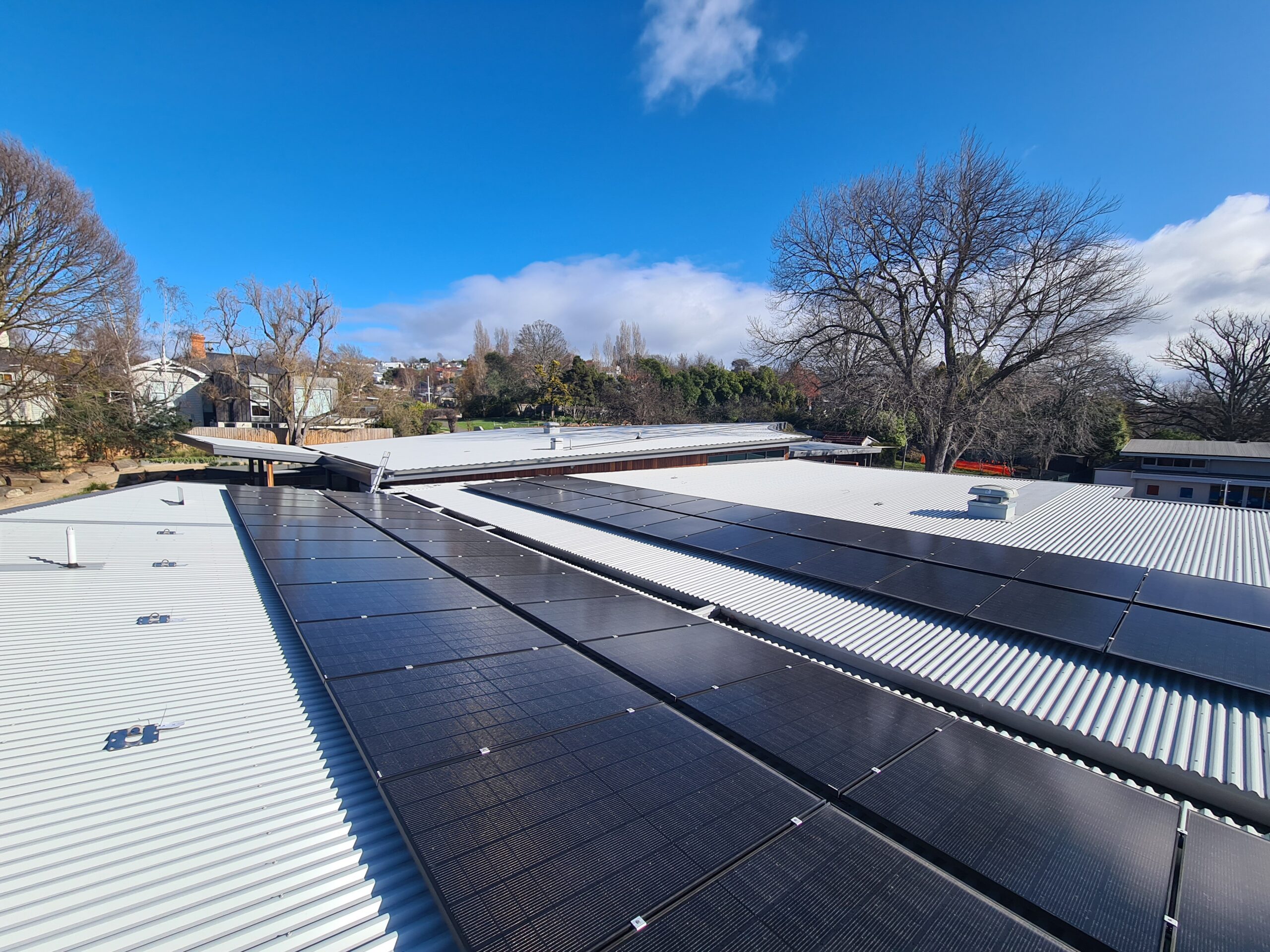
 Many modern businesses all over Australia and New Zealand are investing in solar systems to mitigate the effects of increasing power costs, as well as to benefit from the positive impact of embracing environmentally sustainable practices and demonstrating a brand commitment to the planet. Working at heights safety is a critical consideration for your company when you elect to install solar to ensure protection of workers when maintaining these systems.
Solar Installation and Working at Heights Safety
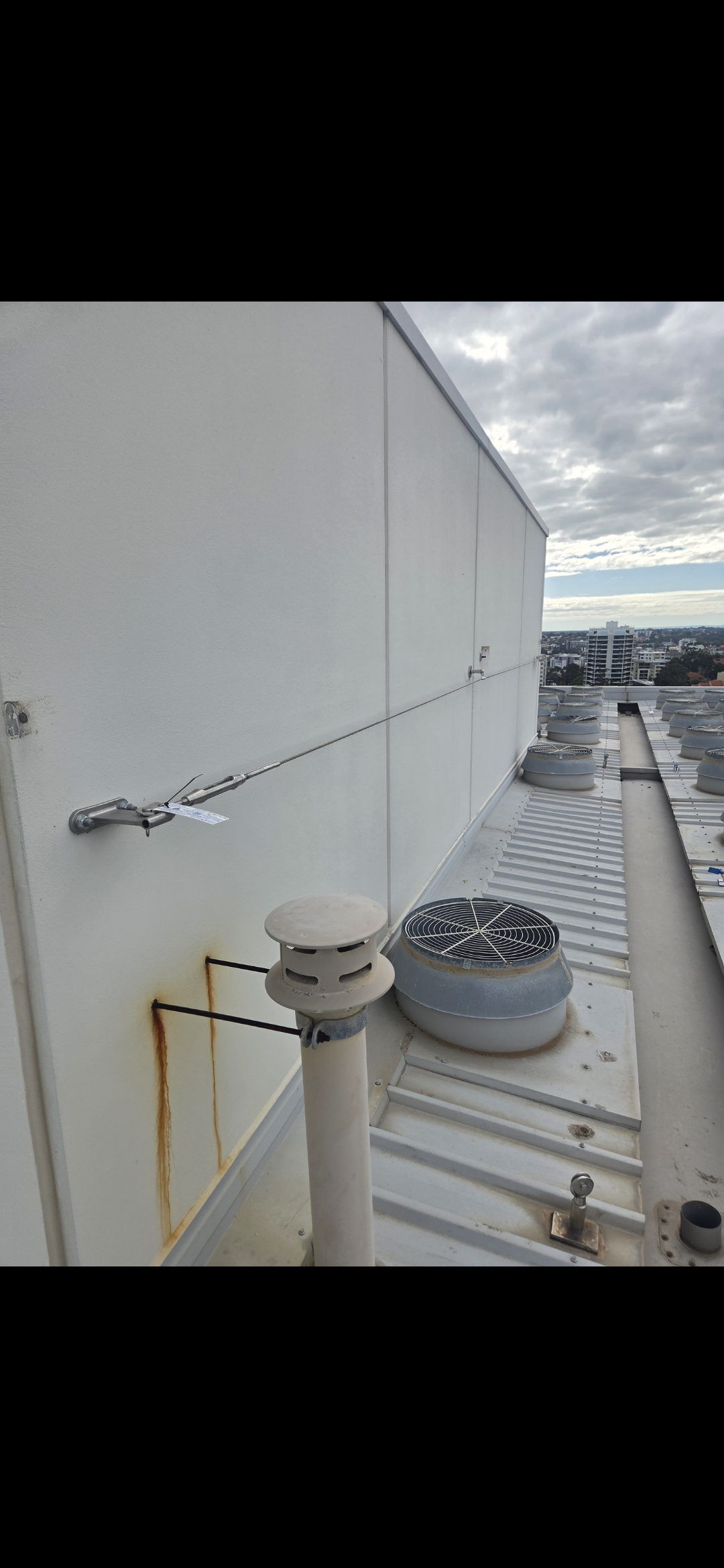
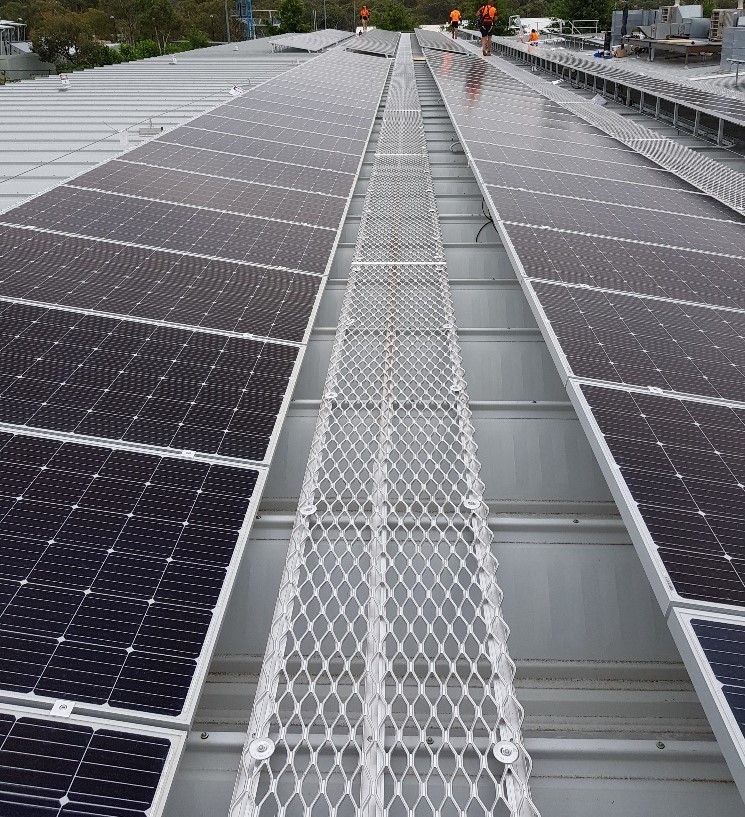
When it comes to commercial solar, height safety and access must be considered during planning and installation. You need to choose the right partner to ensure height safety access for the benefit of your business and the safety of your workers, contractors, visitors.
Why is Height Safety so Important?
SafeWork Australia responds to far too many incidents relating to falls from heights, which result in a fatality or serious workplace injury.
Installation of solar systems requires accessing and working on rooftops, and it’s essential to identify hazards and eliminate or minimise the risks of falls, even if the rooftop work is only for a very short length of time. These risks are even greater when installing commercial solar systems, which usually covers a larger area and at a greater height than for residential installations. It’s important to understand, however, that even falling from a low height can expose workers to risks of debilitating or permanent injuries. These, in turn, translate to the loss of income, medical costs, and costs to the employer, and potentially life changing impacts on the worker and their families.
Solar Installation – Height Safety Considerations
When installing solar systems, falls from height are the main cause of injury, and the specific hazards that can lead to this include:
- Unprotected edges
- Fragile rooftop surfaces
- Skylights, vents, and holes
- Inclement weather conditions
- Trip hazards on the rooftop
- Losing grip or overbalancing on sloping or pitched roofs
Many incidents occur due to falling:
- from a roof
- through a roof
- through a rooftop opening
- while accessing a roof
Businesses and their workers have a responsibility to identify hazards and manage workplace risks. This is set down and legislated in the Work Health and Safety Act 2011 and the Work Health and Safety Regulation 2017.
What is my Responsibility?
When you are installing a solar system, you must provide and maintain a safe working environment, including following specific height safety procedures and using fall prevention equipment where a worker, contractor, or visitor has the risk of falling more than two metres, or where there are energised electrical installations or services present.
Why Partner with RIS?
Here at RIS, we provide a wide array of height safety services and innovative systems to improve safety and processes for people working at heights, as well as in confined spaces. Our solutions are ideal for solar installers.
Our commitment to you includes:
- PROTECTION – we are passionate about protecting workers, contractors, and visitors, and we have the unparalleled experience to be the very best in our industry.
- SAFETY – we actively maximise safety in the workplace, for our team as well as your staff and contractors. As such, we are your one-stop-height-safety-shop covering everything from design & manufacture of height safety systems to installation & inspection.
- TEAM – we are very proud to have a highly trained team of experts working for us. We strive to exceed your expectations for service and solution delivery.
- SOLUTIONS – our bespoke solutions are innovative and technically designed to suit your unique needs. There is no height safety challenge that we cannot solve.
- QUALITY – delivering the highest quality is our commitment to you – from all engineering and product development and manufacturing, to solution design & installation, and carried through to audits, inspections. Everything we do is designed to meet or exceed AU & NZ standards.
RISSafety is your ideal partner for working at heights QLD, NSW, VIC, SA, TAS and NZ. We have the expertise and solutions to help you provide a safe work environment for commercial solar installation at your premises, no matter where they are or what kind of building you are in.
Contact us today by calling (02) 8781 2100 (Australia) or 0800 111 747 (NZ) or enquire here. We look forward to working with you.
Here is SafeWork NSW’s latest video about solar height safety – which is applicable to both residential and commercial buildings.