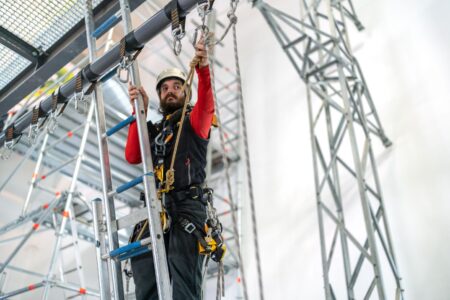
 Did you know that the vast majority of workplace falls that result in serious head and neck injuries are from less than three metres in height?
Workplace safety is everybody’s business – from site owners to Project Managers, Facility Managers, to every single worker on the site – and falls represent an enormous risk to workplace health and safety. They are also costly – to businesses and most importantly, to the people affected by them. Having the correct risk assessments and the appropriate height safety protocols and risk mitigation practices in place is critical.
Slips, Trips, and Falls
Although slips, trips, and falls are a major cause of workplace injury, most workplace falls are preventable.
- Slips – occur due to loss of foot traction with the surface of the ground, usually due to walking on a wet, slippery, polished, or greasy surface or wearing inappropriate footwear.
- Trips – occur when the foot catches on a surface or object, including low obstacles like uneven flooring edges, electrical cables, loose mats, or untidy tools.
- Falls may be a result of a slip or trip but are often from ladders, steps, and rooftops. Working at heights is a high-risk activity and this is particularly pertinent in the construction industry.
Prevention is always the best strategy to keep your workers safe.
Preventing Workplace Falls – 5 Top Tips
1. Implement Risk Management Protocols
Your worksite managers and supervisors must undertake comprehensive risk assessments and develop and maintain protocols and procedures for the correct installation, use, and maintenance of appropriate roof safety and height safety systems.
2. Work from the Ground Where Possible. The best protection against workplace falls is to have workers operating from the ground as much as possible. Complete all possible workplace activities at ground level. When working at height, provide a solid, stable surface that can fully support the expected load (materials, tools, equipment, and workers).
3. Train Your Workers. Every single worker must be trained and signed off as competent in the safe and proper use of all height safety systems and workplace protocols.
4. Install Fall Prevention and Fall Arrest Systems. This should be considered from the planning and design stage for your site and incorporate the right height safety system as appropriate:
-
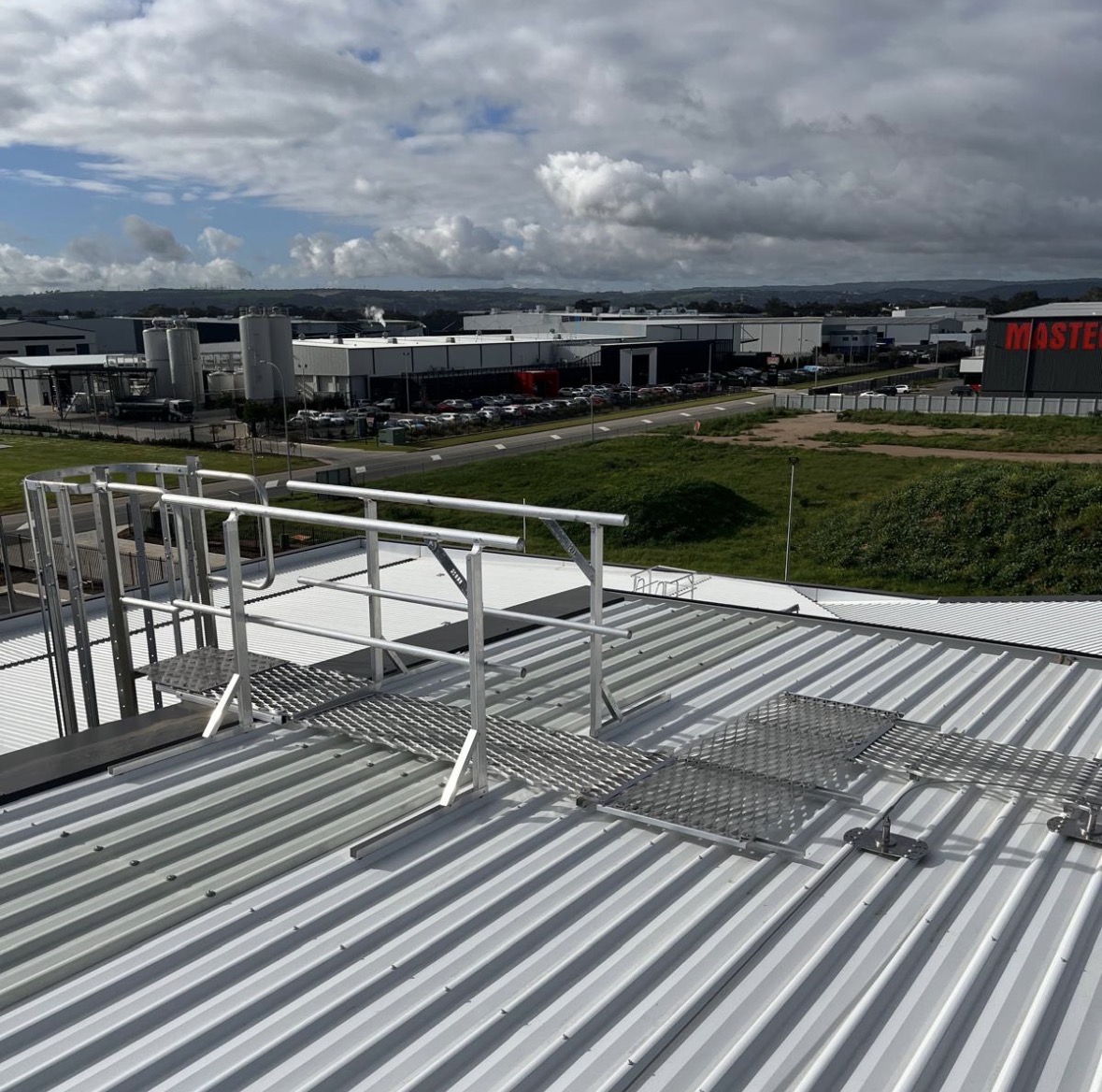
- Guard rails
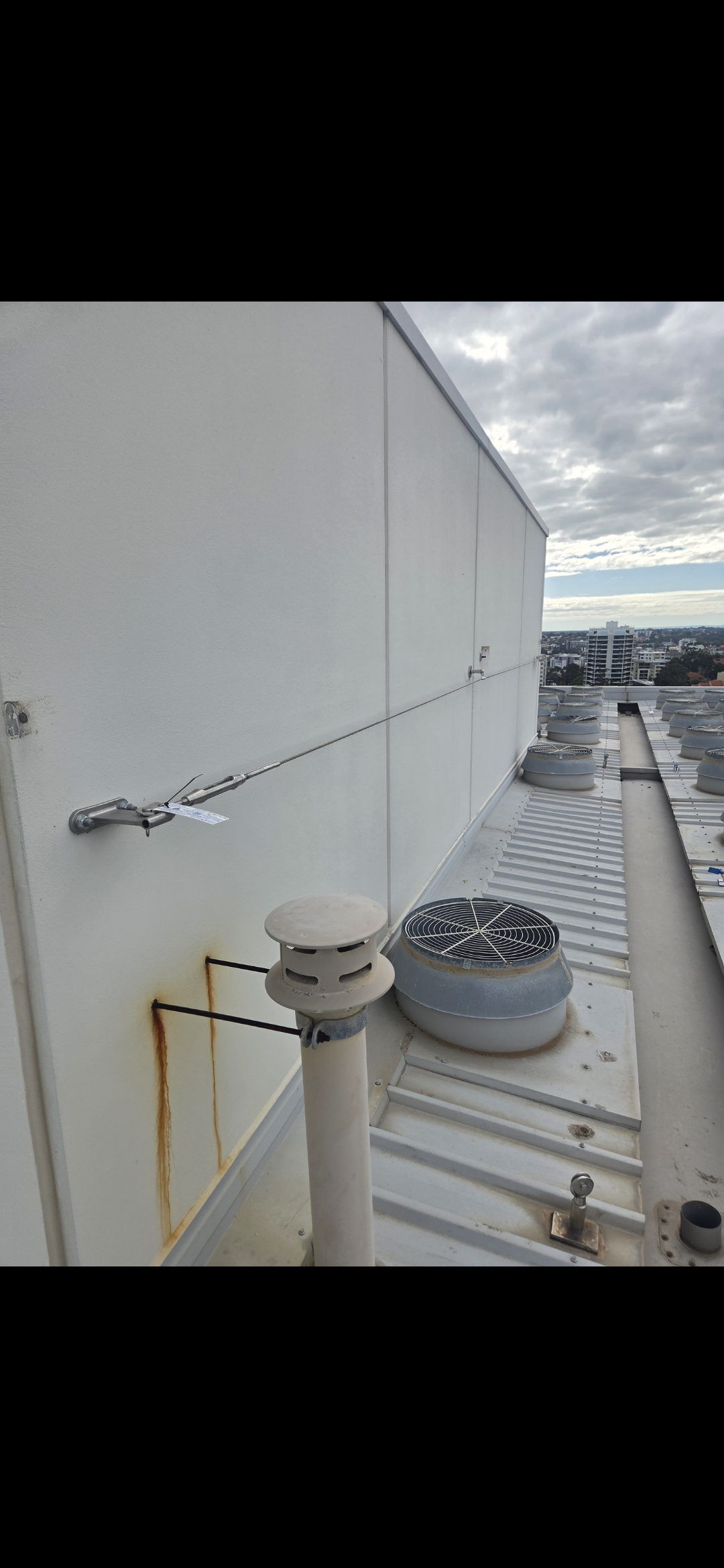
- Static lines
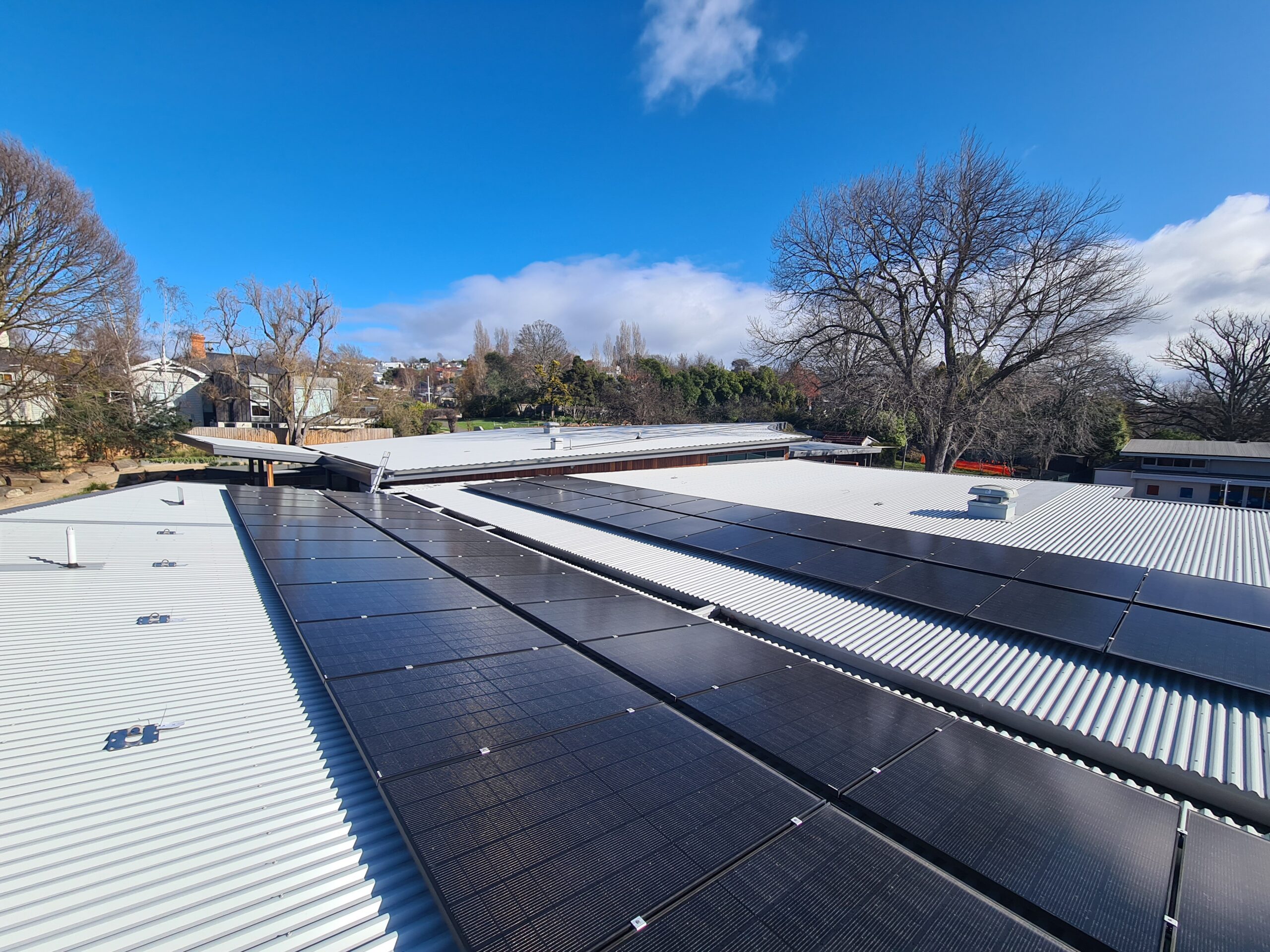
- Roof anchor points
- Roof walkway systems
- Ladder systems
- Stairs
- Barriers
- Scaffolding
- Platforms and gantries
- Fall arrest systems
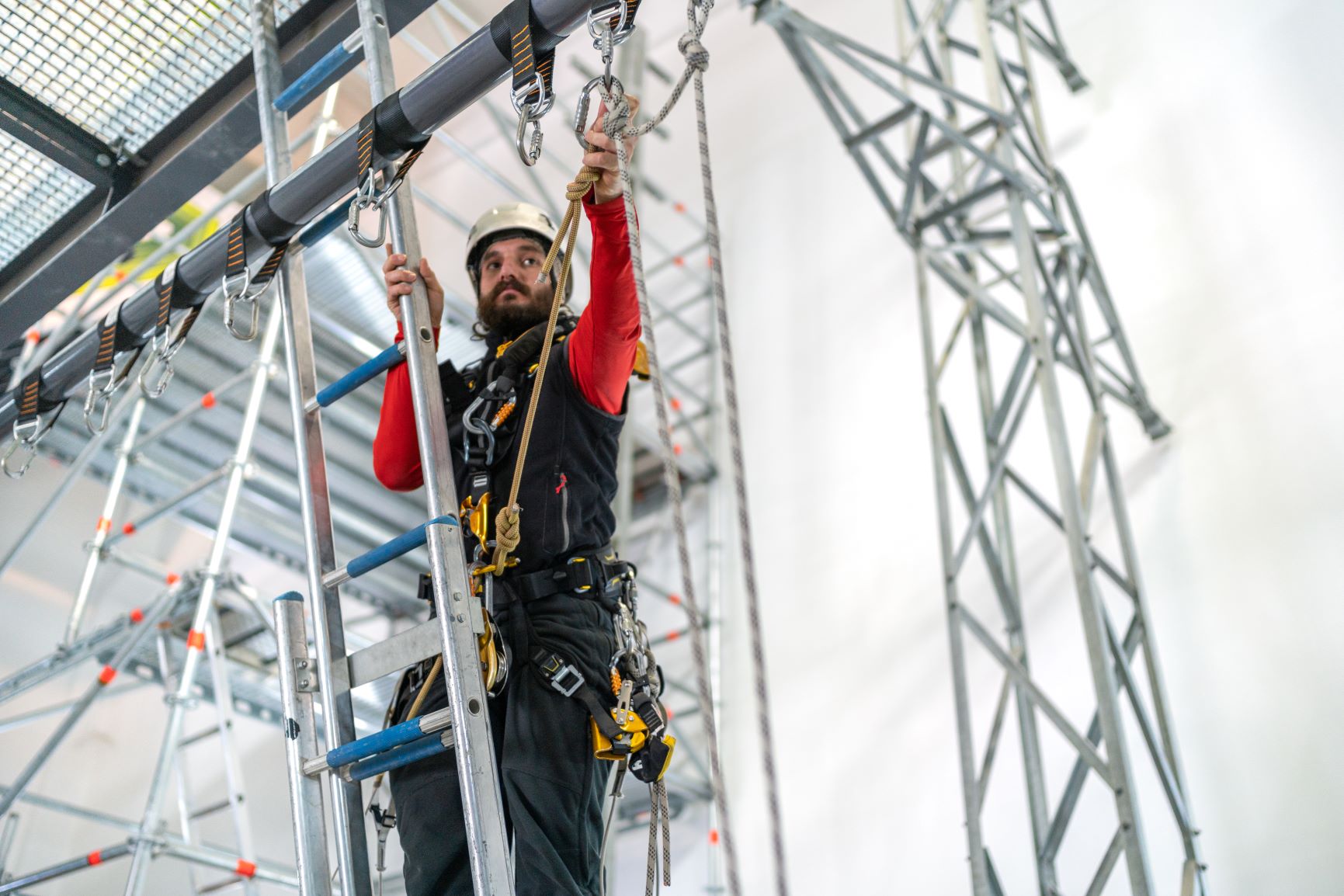
5. Use Appropriate Height Safety Equipment. The right PPE is essential for all workers at height, even if only a short distance off the ground – from harnesses to ropes, lanyards, and karabiners to wearing the right footwear, hand, and head protection.
PPE and roof safety systems save lives and livelihoods.
Call RISsafety
Maintaining stringent workplace safety practices is essential and a legal requirement. RISsafety is a leading specialist height safety provider serving hundreds of clients Australia-wide. Contact us for help with all aspects of height safety for any industry – from roof safety systems to access systems, site inspections and certifications, site compliance audits, system installation, and specialized fabrication, we are your superior provider. Contact us today to discuss your requirements to protect your workers and contractors when they are completing work at heights.